



Your weekly slice of Historical Poetry
> Robert Browning
> Edward Lear
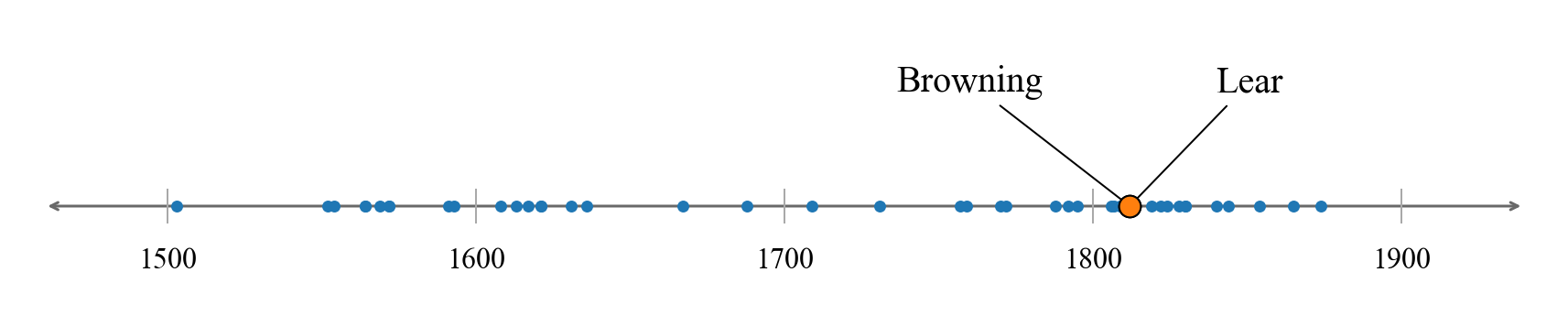
With apologies for tardiness, welcome to the next edition of the Poets of History! We are coming toward the final stretch of our series, making our way further through the 19th century. Today's poets couldn't be more different from each other, yet I believe they both capture aspects of what the world needs poetry to be. I hope you enjoy!
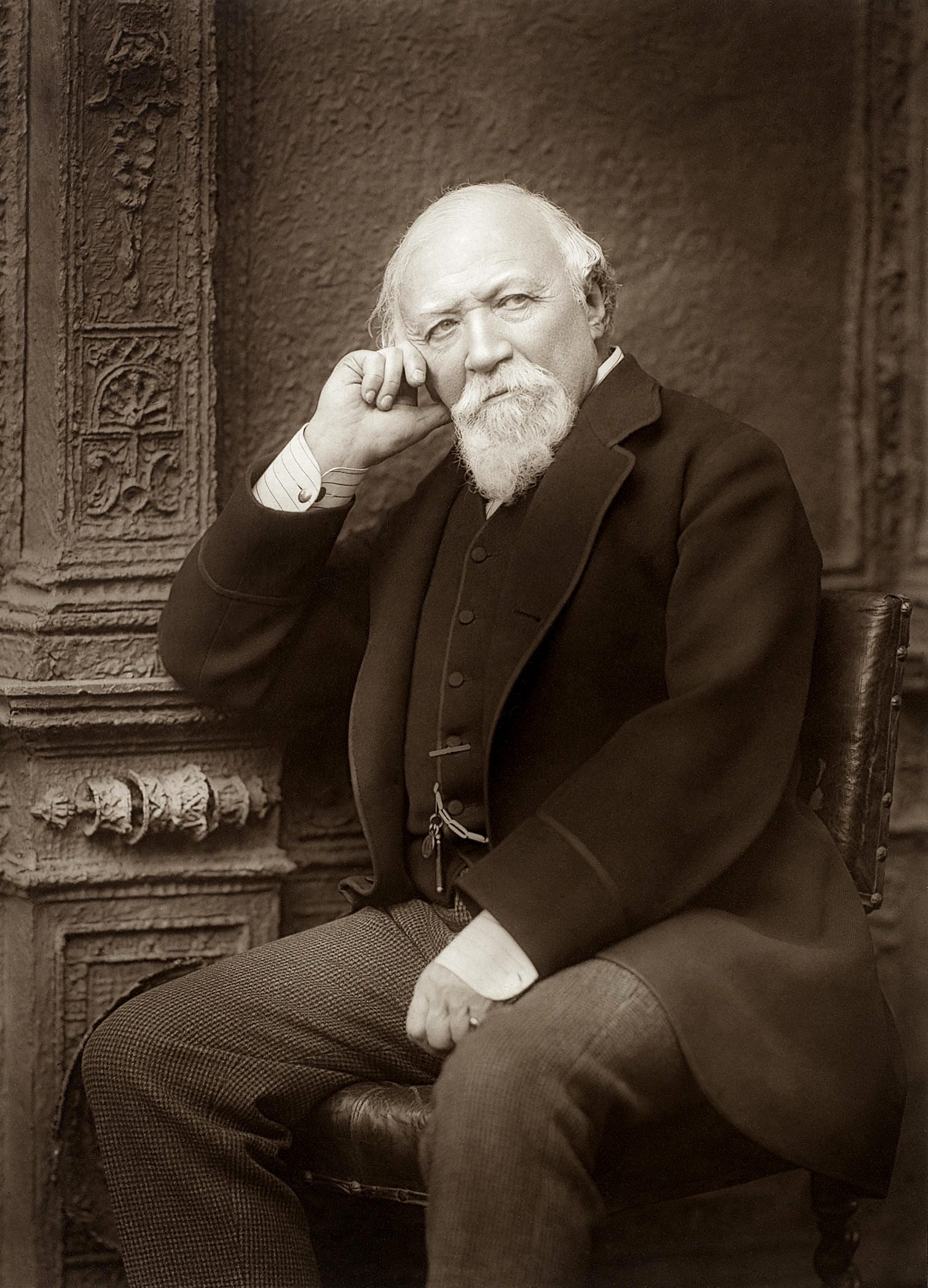
Robert Browning
1812-1889
Robert Browning is another well known English poet of the 19th century. He is best known for writing longer poems, specifically ones that feature extended monologues or discourse. He was the husband to Elizabeth Barrett, whom we covered in a previous edition of this series. Browning isn't as obviously rhythmic or musical as Poe or Tennyson, but he is no less in control of the sounds and meter of his poems. His poetry often does not feel far off from actual speech, a feat that is all too difficult for the poet.
Never the Time and the Place
This poem embodies the feeling that nothing can be perfectly ideal in life or in love. He opens the poem with three things ("time," "place," and "the loved one") that you can never have at the same time. There are some interesting parallel images between the start and end, such as the "magic of May," "narrow house," the "storm," and so on. It took me multiple reads to get what seemed like the full picture of the poem, and I still feel that there is more to mine.
This poem is a good example of Browning's ability to create a unique rhythm that is subtle and natural. In terms of the meter, he is modulating between iambs (da-DUM) and anapests (da-da-DUM) in an irregular way, such that you don't feel this poem being fully one or the other. (The next poem is clearly anapestic and a good one to compare with this one.) Take, for instance, this line:
but the HOUSE | is NAR | row, the PLACE | is BLEAK
The line is constructed as anapest - iamb - anapest - iamb. This type of writing allows for the language to pick up faster in certain sections and slow down in others, matching the emotion and the pattern of normal speech.
How they Brought the Good News from Ghent to Aix
This poem gallops so clearly that you can't help feel that you traveled as far as the narrator himself by the end. It has a steady anapestic meter, which contributes to the pace and story of the poem. It calls to mind Longfellow's Paul Revere's Ride, which also contains a messenger racing on horse-back to deliver important news.
Further Reading
- Pippa Passes - This is a longer drama, the introduction of which is well worth reading. It is best known for Pippa singing
The lark’s on the wing;
The snail’s on the thorn;
God’s in His heaven—
All’s right with the world!
- My Last Duchess - A perfect example of Browning's ability to write an engaging monologue
- Meeting at Night - A short and well-tuned poem. All sounds are perfectly placed for the imagery at hand.
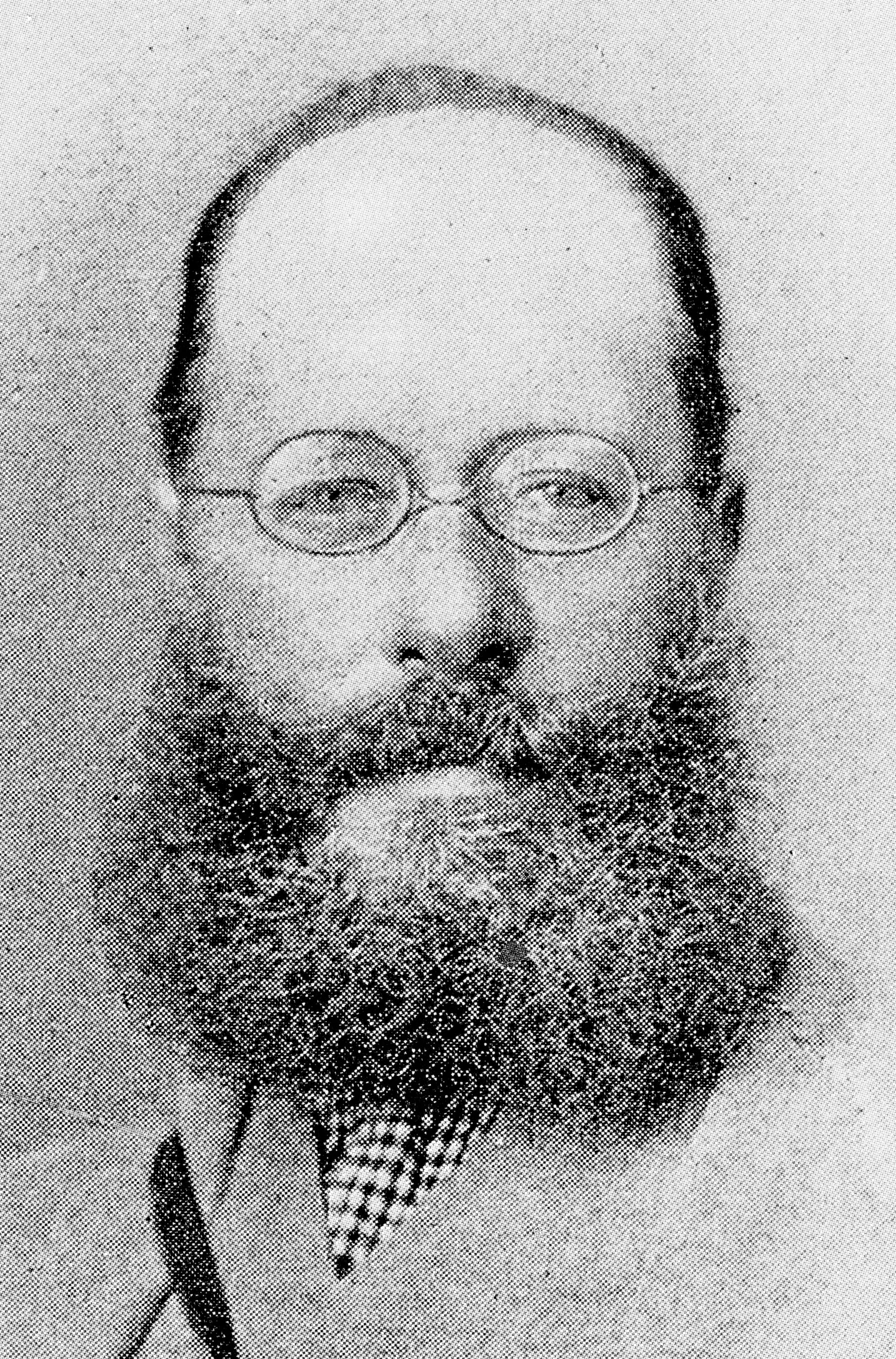
Edward Lear
1812-1888
Edward Lear was an English poet, in addition to being an illustrator and musician. In terms of his writing, he is best known for his "nonsense poetry," in which the subjects are silly and more for fun than for enlightenment. These include a collection of hilarious limericks along with other longer poems. His poems are naturally enjoyed by children, but the reasonable adult will delight in them as well. In the world where poetry is serious and (often) taken too seriously, Lear brings a nice corrective, reminding us that poetry can be simply a playground of words.
The Owl and the Pussy-Cat
This poem tells of the courtship and marriage of, you guessed it, an owl and a cat. It is, of course, wonderfully light and humorous, perfectly suited for a child before bed. You can tell that most of the fun in this poem is coming from the enjoyable rhyming, the comfortable meter, and simply the words that are chosen (or just completely made up, like "runcible").
The Jumblies
Another wonderful nonsense story about a collection of creatures sailing at sea in a strainer ("sieve"). The opening lines get right to the punch of the drama:
They went to sea in a Sieve, they did,
In a Sieve they went to sea:
In spite of all their friends could say,
On a winter’s morn, on a stormy day,
In a Sieve they went to sea!
This poem does have a progression and conclusion. After their wanderings and adventures at sea, they return home where everyone now wishes to do as they did: to "go to sea in a Sieve."
Further Reading
- A Book of Nonsense - Another of Lear's accomplishments involves his use and popularization of limericks. There's no person that can't enjoy (or write) a limerick, and his "Book of Nonsense" is one of the reasons for it.
Whiplash
Abram Newcomer
This poem was developed first during a poetry workshop run by The Rabbit Room, then further with a group of poets that I've had the pleasure to share poems with. It is much looser and "modern" with its language than I typically write with, often changing the meter, dropping unstressed syllables, or enjambing the lines. This was somewhat of a challenging departure from how I normally write, but one that I think was worthwhile.
Thank you for reading this week's edition of the Poets of History. See you in the next installment!
Discussion