



Your weekly slice of Historical Poetry
> Samuel Taylor Coleridge
> Lord Byron
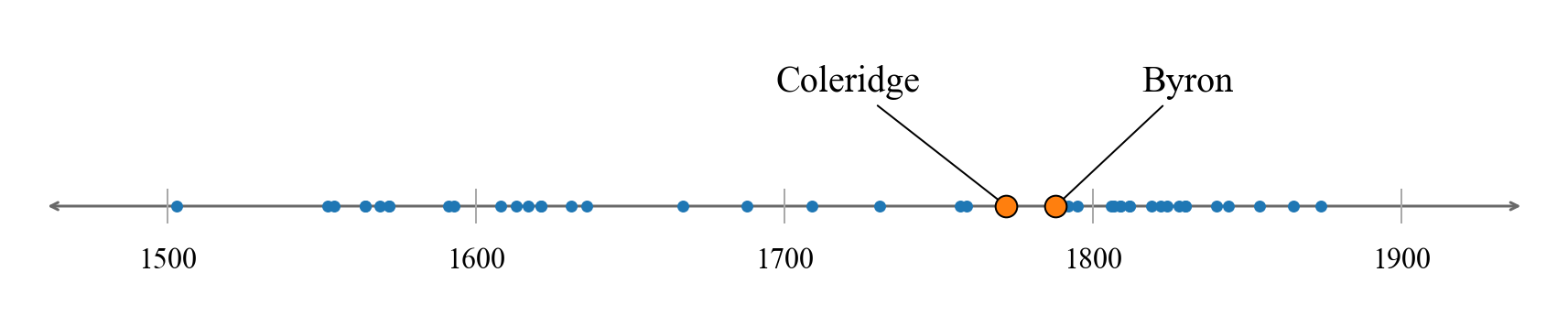
Welcome back to another edition of The Poets of History, where we are continuing on through the Romantic era. I hope you find these poems enjoyable!
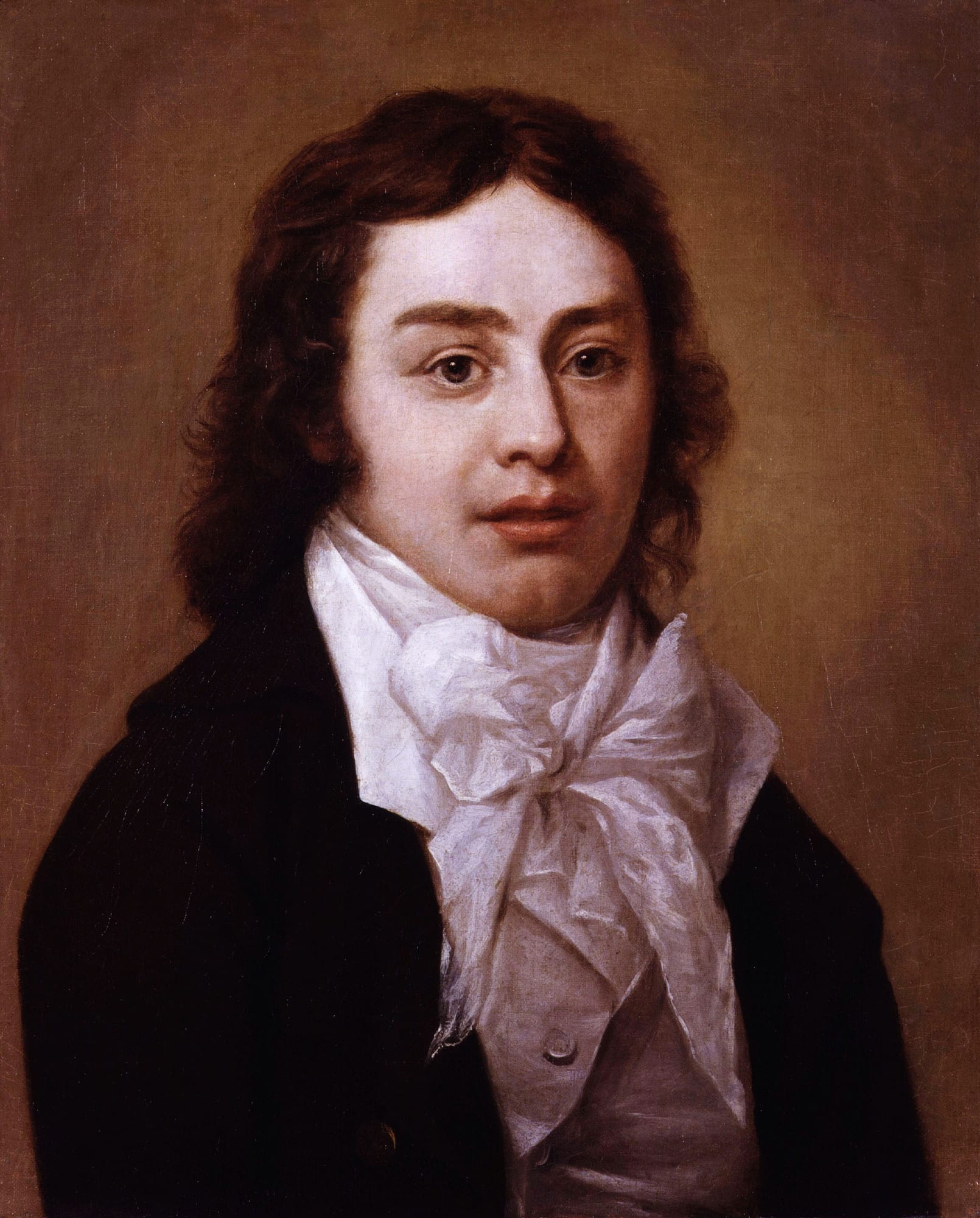
Samuel Taylor Coleridge
1772-1834
Samuel Taylor Coleridge was an English poet, who, with William Wordsworth, is credited with being a founder of the Romantic era of poetry. His most famous work is undoubtedly The Rime of the Ancient Mariner, which was published in Lyrical Ballads, a joint volume of poetry written with Wordsworth in 1798. His poetry is very subtle, elegant, and not gaudy, containing elements and themes that are both common and extraordinary. His life is full of many highs and lows, receiving recognition for his poetry early on, yet also suffering through most of his life with an addiction to opium. This struggle can be seen in his poetry (see The Pains of Sleep below) and in his faith, which was rooted in Christ as his salvation.
The Rime of the Ancient Mariner
Due to its length, this will be the only poem featured by Coleridge today. If you have not read this account, it's well worth the time. You will find a very capturing story as told by an "ancient mariner" to a wedding guest. You'll read about all sorts of things, such as albatrosses and curses, images that are far outside anything that you've read before. On top of this, the poetry is wonderfully descriptive, matching what you would expect to be the diction of a seaman, while also retaining the elegance of well written verse. Here's a stanza that I particularly enjoyed.
Day after day, day after day,
We stuck, nor breath nor motion;
As idle as a painted ship
Upon a painted ocean.
Further Reading
- Love - A beautiful and sweet love poem
- The Pains of Sleep - A poem recounting some of the tortures he experienced from his addiction
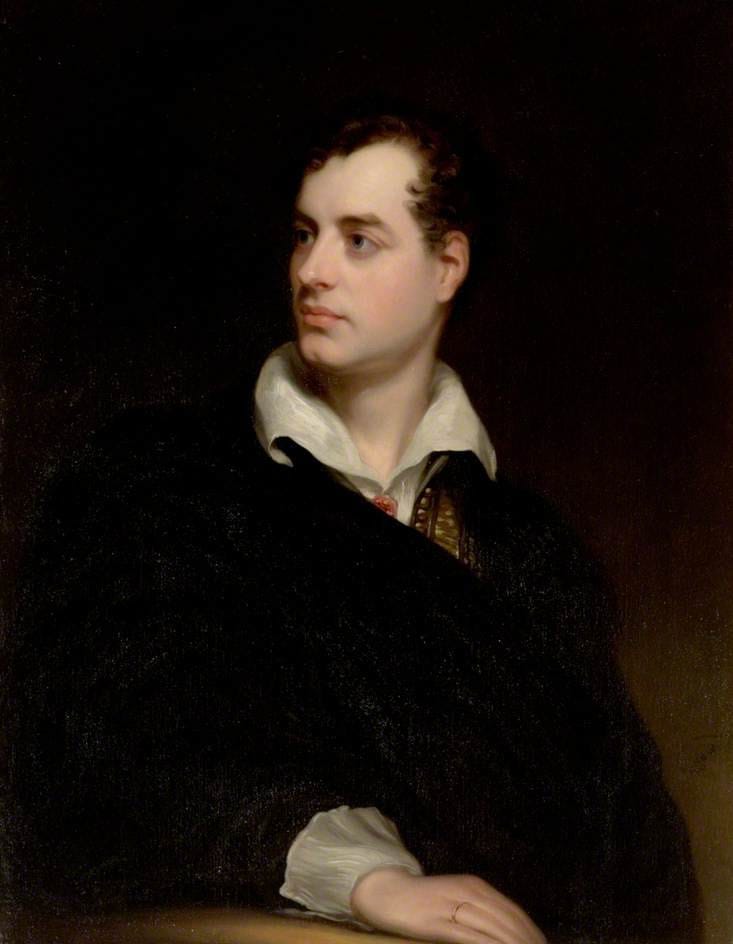
Lord Byron
1788-1824
George Gordon (Lord) Byron was an English poet and important author in the Romantic movement. He is often seen as being characterized by an unrestrained life, in both romantic relationships and otherwise, and you can see these dispositions in his poetry. He is a master at the vivid and clear image, expressed in beautifully rhythmic poetry. As such, his love poetry is some of the best that there is.
When We Two Parted
This is a poem that will be understood by anyone who has gone through a messy or difficult breakup. It is written in the anapestic foot (- - /, "on my brow"), which is a meter that Byron handles very well (see Sennacherib below). The lines are shorter, only two feet in length (dimeter), and each stanza is rhymed ABABCDCD.
So We'll Go No More a Roving
Here's a short poem on the aging body's inability to keep up with the exuberance of youth. Late nights are fun, but only so for the young who have enough energy to stay with it. The poem is written in a standard ballad verse form, with quatrains of alternating tetrameter-trimeter lines.
Further Reading
- She Walks in Beauty - One of the best love poems written, and a personal favorite.
- The Destruction of Sennacherib - A striking depiction of the defeat of the Assyrian army when they besieged Jerusalem
Rest
Abram Newcomer
This lullaby was written in response to a photo of my wife and our son when he was a newborn. He's since grown so much into a little boy that talks and plays so well. But he still enjoys his snuggles...
Thank you for reading this edition of Poetry Pie! Take care.
Discussion